When it comes to cooking, you might think culinary skills are all that matter. But surprisingly, many everyday abilities can be quite useful in the kitchen. This article looks at 10 Non-Cooking Skills That Can Actually Improve Your Culinary Efforts. Whether you’re an experienced cook or just starting out, you’ll see how talents from other areas of life can help in meal preparation. Let’s explore how these unexpected skills can make your time in the kitchen more effective and enjoyable.
Human Anatomy

Understanding human anatomy can be surprisingly useful when dealing with animal bones and meat in the kitchen. The principles of skeletal structure and muscle attachment are often similar across many species, allowing you to apply your knowledge of human anatomy to efficiently break down and prepare animal proteins. By recognizing these anatomical parallels, you can more easily identify joints, muscle groups, and bone structures in various cuts of meat, leading to more precise and effective butchering and cooking techniques.
Project Management

Project management skills can surprisingly elevate your cooking game in unexpected ways. By applying principles like resource allocation, time management, and task prioritization, you can transform chaotic meal preparation into a well-oiled culinary operation. From planning multi-course dinners to coordinating the perfect timing for a holiday feast, project management techniques can help you streamline your kitchen workflow, reduce stress, and consistently deliver delicious meals with efficiency.
Math

Mathematical skills can be a secret ingredient in culinary success, especially when it comes to cooking and baking. From scaling recipes and calculating cooking times to understanding ratios for the perfect balance of flavors, math is an essential tool in the kitchen. Whether you’re adjusting ingredient quantities, converting measurements, or perfecting the science of baking, a solid grasp of mathematical concepts can transform your culinary creations from good to great.
Origami

The ancient art of origami might seem worlds apart from culinary pursuits, but it can surprisingly enhance your skills in the kitchen, particularly when it comes to creating intricate food folds. The dexterity and precision developed through paper folding translate remarkably well to tasks like shaping dumplings, creating decorative pastries, or even fashioning elegant napkin designs. By applying origami techniques to food preparation, you can elevate both the presentation and texture of your dishes, turning simple ingredients into culinary works of art.
Grouting Tile

At first glance, grouting tile and frosting cakes might seem like unrelated skills, but they share surprising similarities that can enhance your culinary prowess. The steady hand and patience required for applying grout smoothly translate well to evenly spreading frosting on cakes, creating flawless finishes. Moreover, the techniques used to fill gaps between tiles with grout are comparable to filling and smoothing cake layers, allowing you to create professionally polished desserts with the precision of a master tiler.
Artist

The skills honed as an artist can seamlessly translate into culinary excellence, particularly when it comes to creating visually stunning dishes and decorating desserts. An artist’s eye for color, composition, and texture can transform ordinary meals into edible masterpieces, elevating both presentation and dining experience. From plating techniques that mimic brushstrokes to intricate sugar work that rivals sculpture, artistic abilities can turn the kitchen into a studio where flavors and aesthetics blend to create unforgettable art.
Patience

Patience is a virtue that can significantly enhance your culinary skills and overall kitchen experience. From waiting for dough to rise or marinades to infuse, to slowly simmering sauces or braising tough cuts of meat, many cooking processes require time and restraint to achieve optimal results. By cultivating patience in the kitchen, you not only improve the quality and flavor of your dishes but also reduce stress and enjoy a more mindful and rewarding cooking experience.
Cleanliness
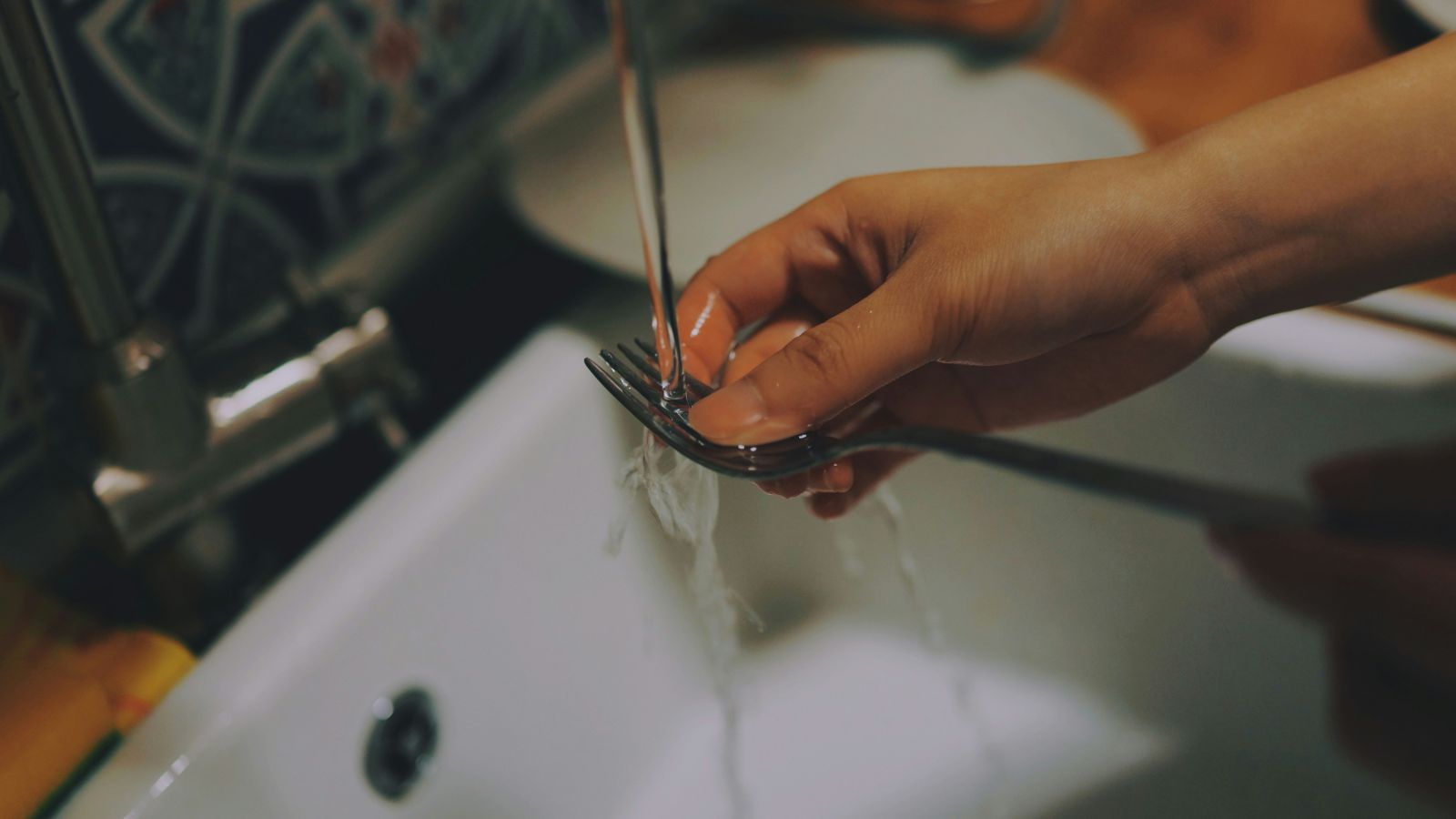
The “clean as you go” approach is a game-changer in kitchen efficiency and overall cooking experience. By tidying up and washing utensils, bowls, and surfaces as you progress through a recipe, you maintain a clutter-free workspace that enhances focus and reduces stress. This habit not only makes the final clean-up less daunting but also minimizes the risk of cross-contamination, ensures you always have clean tools at hand, and allows you to cook more efficiently and enjoyably.
Organization
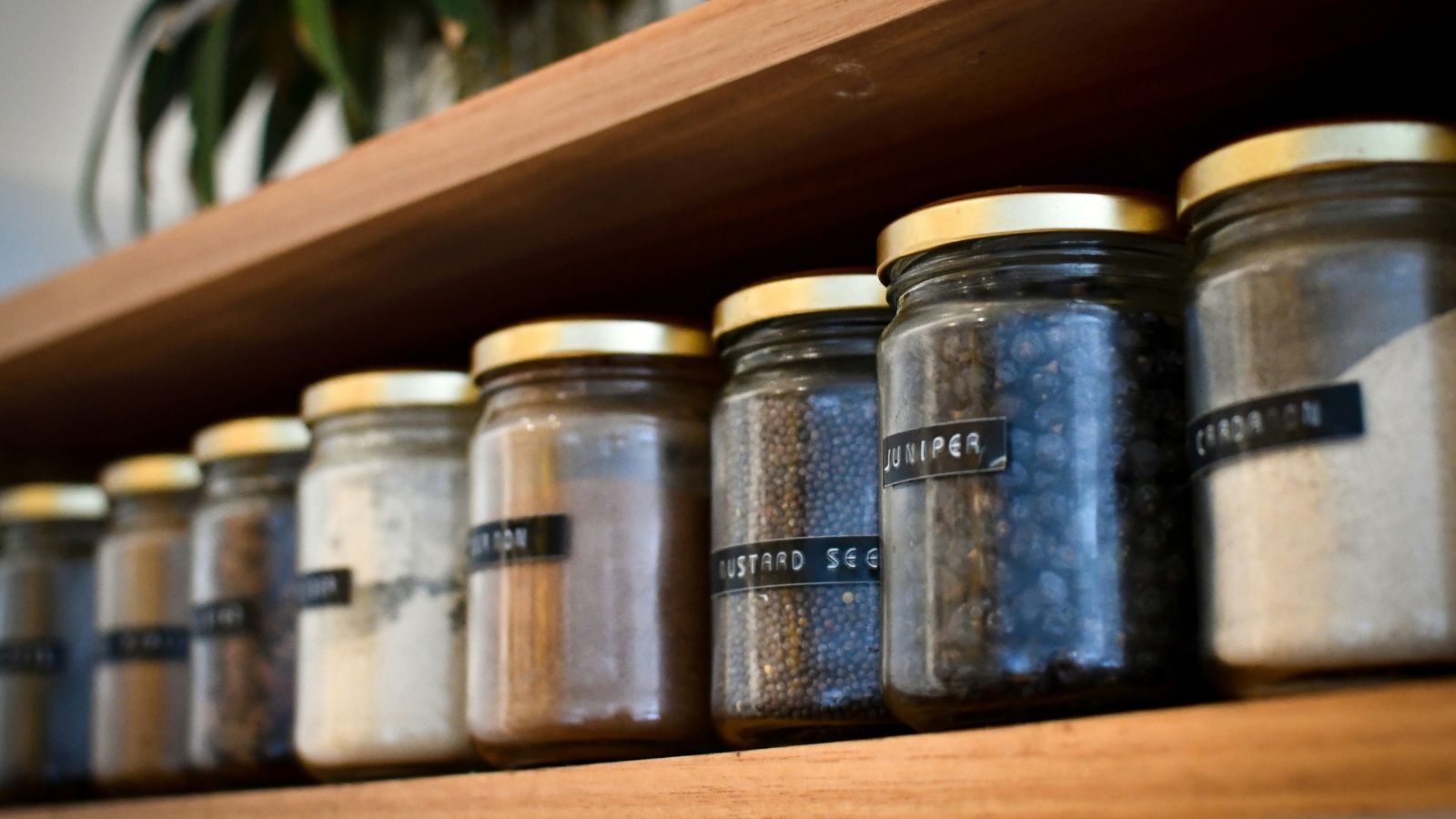
Neatness and organization in the kitchen are often underestimated skills that can significantly elevate your cooking experience and results. A well-organized kitchen, with ingredients and tools readily accessible and neatly arranged, streamlines the cooking process and reduces stress. This orderly approach not only saves time and prevents mistakes but also allows you to focus more on the creative aspects of cooking, ultimately leading to better-prepared meals and a more enjoyable culinary journey.
Gardening

Gardening and cooking are natural companions that can enhance your culinary experiences in remarkable ways. Growing your own herbs, vegetables, and fruits not only provides you with the freshest ingredients possible but also deepens your understanding of seasonality and flavor profiles. This direct connection to your food source can inspire more creative and flavorful dishes, while also fostering a greater appreciation for the ingredients you use in your cooking.